







KEY TAKEAWAYS
To encourage thicker, fuller hair:
- Support your hair follicles with regular scalp care
- Eat a nutrient-rich diet with adequate protein, collagen, and micronutrients.
- Reduce breakage by avoiding tight hairstyles and excessive heat.
- Address underlying stress, hormonal changes, or nutrient gaps.
- Consider ingredients that have been studied for their role in supporting hair appearance.
- Maintain consistency for visible improvement, which typically takes about 8-12 weeks.
HERE'S HOW TO GET THICKER, FULLER HAIR
Thick, full, healthy-looking hair may feel harder to maintain as we age, but with the right routine and scalp-supporting habits, achieving fuller-looking hair is possible. We asked hair experts to break down the real reasons hair becomes thin, what you can (and can’t) change, and daily habits that help your hair look healthier and more voluminous.
Keep reading to find quick answers, plus get expert-approved tips and tricks to support thicker, fuller-looking hair naturally.
FIRST OFF, CAN THIN HAIR BECOME THICK AGAIN?
The short answer is: It depends.
According to Dr. Sanusi Umar, CEO and Medical Director of Dr. U Hair and Skin Clinic, whether thin hair can become thick depends on the state of the individual's hair follicles, genetics, and overall health. "Whether thinning hair can improve varies widely from person to person,” explains Dr. Sanusi Umar. “Some factors that affect hair appearance are related to overall follicle health, genetics, and lifestyle. While certain causes of hair thinning may require medical attention, many people can still support the appearance of fuller, healthier‑looking hair through consistent care and good daily habits,” he tells Lively. “In many cases, supporting the overall environment of the scalp—through gentle cleansing, balanced nutrition, and minimizing breakage—can help hair look fuller over time,” says Dr. Umar. “Healthy‑looking hair often starts with consistent routines that promote general follicle wellness.”
That said, everyone's situation is different, and there is no one-size-fits-all solution for thickening hair. For example, no treatment will create thick hair for people who are genetically born with thin hair. In other instances, Dr. Umar adds, “Thinning hair can sometimes be influenced by factors such as stress, lifestyle changes, or shifts in the body’s overall balance,” Dr. Umar notes. “When the hair cycle is functioning normally, supportive habits—like proper nutrition, reducing excess tension on the hair, and caring for the scalp—may help hair appear fuller over time.”
Again, it is possible to get thicker, fuller hair, but it depends on the individual's hair follicles, genetics, and overall health—factors that vary from person to person.
HOW CAN I GET THICKER HAIR NATURALLY?
- Prioritize Healthy Hair Follicles
The key to improving your hair's thickness and fullness is considering your hair follicles' physiological health. "Think of them as the tiny organs which actually produce and construct your hair strands," Dr. Umar says. Improving their function can support thicker hair.
According to licensed cosmetologist Carol Thomas, this starts with a simple foundational routine:
- Cleanse weekly with a gentle, scalp-cleansing shampoo.
- Use a lightweight daily leave-in conditioner.
- Massage your scalp for 1-3 minutes to support circulation
- For added follicle treatment, combine your scalp massage with a nutrient-rich hair oil or serum.
- Try Research-Backed Botanicals.
“Some botanicals are being studied for their role in supporting scalp and hair wellness.” Dr. Umar tells Lively.
He also recommends looking for botanicals that have emerging or established research behind them and avoiding using products that rely on marketing terms like “all-natural” without any supporting studies.
Botanicals may help, but consistency and realistic expectations should be taken into consideration when using them. Not every ingredient works the same for everyone.
- Support Hair from the Inside with Proper Nutrition
Your follicles rely on key nutrients to thrive. Some of the most important include:
- Protein
- Vitamin C
- Zinc
- Biotin
- Collagen (provides amino acids used in keratin formation)
A well-rounded diet rich in whole foods like eggs, leafy greens and fish supports stronger, healthier-looking hair.
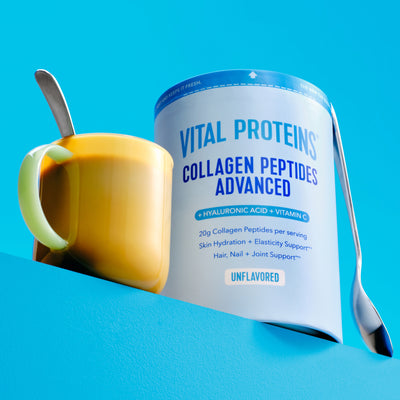
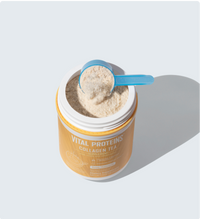
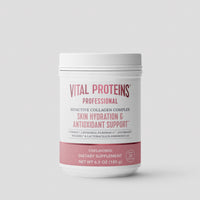
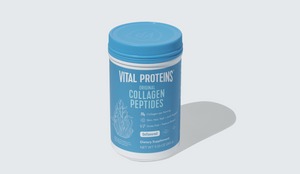
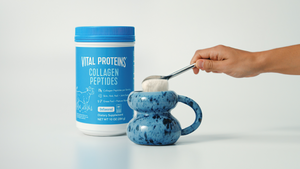
Vital Proteins® Collagen Peptides provide amino acids that help support the structure of hair, skin, and nails. Many people add them to coffee (in the form of Collagen Creamer), smoothies, or baked goods as part of their daily routine.**
DOES BIOTIN THICKEN HAIR?
Biotin is a B vitamin essential for metabolic function and converting food into energy. It doesn’t directly thicken hair follicles, but it can support the body processes connected to hair health.
"Biotin is used by our body, along with other nutrients to maintain the healthy functioning of our metabolic processes (i.e. how we convert food to energy food)," says Dr. Umar. "The cells that comprise our hair follicles also benefit as well."
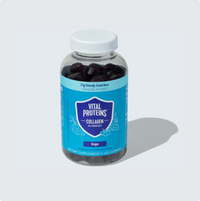
However, biotin is just one piece of the puzzle. Hair also needs collagen, protein, and micronutrients to appear thicker and healthier. Supplements like Vital Proteins® Hair Complex include both biotin and collagen to support thicker, healthier hair.**
HOW CAN I MAKE MY HAIR GROW FASTER?
Hair growth speed varies from person to person. According to Dr. Umar, growth depends on follicle health, genetics, diet, overall nutrition and whether any underlying issues are present.
You can, however, support your hair’s natural growth potential with consistent habits.
Expert-Backed Tips to Support Hair Growth
- Keep your scalp happy: Clean regularly, use lightweight conditioners, and massage your scalp.
- Eat healthy: Dr. Umar recommends combining daily protein, essential fatty acids, collagens, and micronutrients.
- Avoid tight hairstyles: Frequent tight ponytails, buns, and braids can cause breakage.
- Address underlying conditions: Address underlying health concerns with a medical professional if you suspect internal factors may be affecting your hair.
- Research topical and supplemental products: Look for ingredients supported by scientific studies or vetted expert recommendations.
- Set realistic expectations: Most people notice visible improvements slowly, typically over 8-12 weeks. Change doesn’t happen overnight; be patient with yourself and your hair.
- Sudden or patchy hair loss
- Excess shedding lasting longer than 3 months
- Scalp irritation or inflammation
- Family history of significant hair thinning
WHEN TO SEE A HAIR OR SCALP PROFESSIONAL
Consider seeking professional guidance if you notice:
Early evaluation can make a meaningful difference and may prevent any further hair loss.
SHOP COLLAGEN FOR FULLER HAIR
Support your hair from the inside out with clinically backed collagen options:
**These statements have not been evaluated by the Food and Drug Administration. This product is not intended to diagnose, treat, cure, or prevent any disease.