




Acne scars don’t always go away completely, but many can fade over time with the right care. When acne damages the deeper layers of skin, it disrupts the collagen in your skin, the protein responsible for strength and smoothness, and leads to scarring. Some scars fade naturally as the body rebuilds collagen, while others, like deep pitted or raised scars, may need extra support through skincare, treatments, or collagen-boosting products. Learn how collagen affects your skin’s healing process and how to help restore a more even, healthy-looking complexion.
Key Takeaways
- Acne scars form when deep inflammation damages the skin and disrupts collagen production—too little collagen causes depressed scars, while too much creates raised ones.
- Scars are often treated by methods and topical medications that stimulate collagen production and lessen the appearance of skin imperfections.
- Taking collagen peptides may help support the health of your skin, but preventative measures like wearing sunscreen and not picking at acne are also smart choices.
What Causes Acne?
Acne develops when pores become clogged with oil, dead skin cells, or bacteria. Hormonal changes, especially during puberty, stress, and menstruation, can increase the size of the skin’s oil glands, triggering them to produce more oil. This excess oil can mix with debris on the skin, clogging pores and leading to acne breakouts.
There are a few factors that can make acne worse:
- Hormones: Fluctuations in cortisol and testosterone may increase oil production.
- Genetics: You may be more likely to develop acne if your parents had acne too.
- Lifestyle: Not getting enough sleep, eating certain foods, and smoking cigarettes may trigger acne.
- Skin care habits: Overwashing or using harsh skincare products can strip the skin of its natural barrier, leading to excess oil production and more breakouts.
Why Does Acne Scarring Happen?
According to the American Society for Dermatologic Surgery, acne scars are frequently the result of inflamed blemishes caused by excess oil, bacteria, and dead skin cells clogging pores. When it’s clogged with debris, the pore swells, causing a break in the follicle wall.
A shallow lesion is usually minor and will heal quickly. But if the acne is severe, or there’s too much debris, the break in the follicle wall can be deeper, causing infected material to spill into surrounding material and creating a deeper lesion. These deep lesions are often painful, like cystic acne.
During healing, your body produces collagen to repair the wound—but if it makes too little, the skin sinks and forms a depressed scar, and if it makes too much, it can create a raised or thickened scar.
Types of Acne Scars
There are two primary types of acne scars:
- Atrophic (depressed) scars: These include ice pick, boxcar, and rolling scars caused by a loss of tissue. Icepick scars often look like small, obvious holes in the skin. Boxcar scars are small, depressed areas with steeply angled sides, like a chicken pox scar.
- Hypertrophic or keloid scars: These occur when excess collagen builds up, raising the scar above the skin’s surface.
Inflammation From Acne
Even after an acne breakout clears, inflammation can leave behind something called post-inflammatory hyperpigmentation (PIH). This condition is characterized by red or dark spots that eventually fade, thanks to time, collagen renewal, and cellular turnover.
Do Acne Scars Go Away?
Thankfully, not all acne scars are permanent. And while most acne scars won’t disappear completely without the intervention of a dermatologist, they can fade dramatically over time. This fading is helped when collagen production is supported through dermatological treatments like:
- Chemical peels
- Microneedling
- Microdermabrasion
- Topical medications
- Laser treatments
The goal of these treatments is to irritate the skin just enough that collagen production is stimulated so that the skin’s texture can be repaired and the appearance of acne scars is ultimately reduced.
Does Collagen Help With Acne Scars?
Collagen is the protein that keeps your skin firm, smooth, and resilient, and it’s essential for repairing acne scars. The inflammation from deep acne lesions can break down the skin’s collagen network. During healing, your body produces new collagen fibers to rebuild the damaged area. If enough healthy collagen forms, your acne scars will become less noticeable, and your skin will look smoother over time.
Collagen doesn’t just affect acne scars—it also supports your skin’s firmness and elasticity.** A loss of collagen can also contribute to what some call “runner’s face.”
Will Taking Collagen Help Acne Scars?
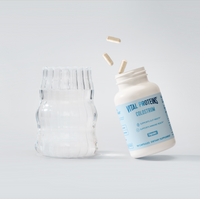
Collagen can’t be absorbed by the body in its whole form; it has to be broken down into smaller peptides or amino acids. Oral collagen supplements like Vital Proteins® come as powders, capsules, ready-to-drink shakes, and gummies and the collagen peptides are absorbed through the gastrointestinal tract.
A few studies have found that collagen peptides may help support skin hydration and elasticity, which is why taking Vital Proteins® Collagen Peptides may help support your skin.**^ Talk to your dermatologist or healthcare provider about taking collagen peptides for acne scars.
Collagen peptides don’t just benefit your skin; they can also support stronger hair and may help with yellow nails.**^
Reducing Your Risk of Acne Scars
While the solutions to acne scars often involve prescription medications or dermatological treatments, there are a few ways to reduce the risk of these scars forming:
- Don’t pick, scratch, or squeeze your acne. This will cause additional damage to your skin and promote inflammation, which makes scars worse.
- Treat acne immediately. Wash your face to get rid of excess oil and debris. Topical, OTC treatments may be especially useful.
- Wear sunscreen all the time to protect your skin and prevent additional damage.
- Smoking tobacco can increase your risk of scarring.
- See a dermatologist if your acne isn’t going away. Professional help can go a long way in preventing the formation of scars.
Managing Acne Scars Starts with Collagen Support
While acne scars may not vanish overnight, they can fade significantly with time, consistency, and the right care. The key lies in supporting your skin’s natural healing process, its collagen production. Whether through collagen-rich skincare, supplements, or professional treatments, helping your body rebuild this vital protein can restore confidence in your skin’s appearance while helping to minimize acne scars.
**These statements have not been evaluated by the Food and Drug Administration. This product is not intended to diagnose, treat, cure, or prevent any disease.