




If you love to run the trails or collect marathon medals, you’ve probably heard the term “runner’s face” – the idea that pounding pavement can make your skin sag or age faster. But is it real?
Despite the catchy name, runner’s face is not an official medical diagnosis. In fact, other factors like sun exposure, genetics, lifestyle factors, and weight loss play a much bigger role in how your skin looks and feels.
What Is Runner’s Face?
Runner’s face is a myth that bouncing and impact can cause your skin to sag, making you look older, with gaunt or sagging skin, sunken eyes, and wrinkles. But according to dermatologists, running may actually have the opposite effect on your skin. Cardiovascular exercise supports skin health by boosting circulation and collagen production, helping your skin look youthful and healthy.
Does Running Age Your Skin?
Though some people believe that repetitive impact could cause facial skin to sag, there’s no scientific proof to back that up. Your skin’s firmness depends on collagen, elastin, and hydration, not how many miles you log. Any skin changes that arise in runners are far more likely to be caused by other factors, including sun exposure and weight loss.
Running Factors that CAN Change Your Face
While running itself doesn’t age your skin, certain factors related to running can influence your appearance.
- Weight Loss: Running is a great way to burn calories and can lead to lower body fat and weight loss. Many runners experience a reduction in facial volume as body fat decreases.
- Sun Exposure: Extended sun exposure can lead to premature aging if you don’t take the proper precautions to protect the skin. Harmful UV rays penetrate deep into the dermis layer and break down collagen and elastin, leading to wrinkles, sunspots, and discoloration in the skin.
- Dehydration or Dry Skin: As we sweat, we lose moisture in our skin, and it can appear dull and dry, making wrinkles more prominent. A lack of moisture in the skin also reduces its elasticity and plumpness, leading to a gaunt appearance. Even running in harsh elements – like wind and cold air – can strip the skin of its natural oils, leading to further dryness or chapping.
- Natural Aging: As we get older, we lose collagen, elastin, and fat in the face, which can cause our skin to sag.
- Lifestyle and Genetics: Smoking, high stress levels, and lack of sleep can also contribute to changes in your face shape and skin.
How to Protect Your Skin While Running
Your skin deserves the same care you give your muscles. Try these tips to protect and nourish your complexion before, during, and after your workouts.
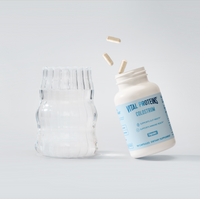
- Protect yourself from the sun. If you prefer running outside, try avoiding peak sun hours to limit your exposure. Apply a waterproof sunscreen daily and aim for an SPF of at least 30 or more to protect your skin from UV rays and ultraviolet light exposure. Give yourself added protection with Vital Proteins® Skin Complex, which can support skin hydration and elasticity**^^^, especially when combined with daily sunscreen.
- Maintain a consistent skincare routine. Daily cleansing and moisturizing can help keep your skin healthy and resilient.
- Use daily collagen supplements. Collagen is vital to keeping your skin strong and healthy. Make sure you’re getting what you need with Vital Proteins® Collagen Peptides Advanced, designed to support skin hydration and elasticity**^, as well as hair and nail health.
- Take care of your overall health. Healthy habits go a long way in protecting your skin. Don’t smoke, prioritize sleep and recovery, and keep your stress levels low to give your skin the optimal environment to thrive.
- Fuel your body with healthy food. Eating a healthy diet full of antioxidants and vitamins can support healthy skin and improve cellular regeneration. Collagen-rich supplements can also provide the building blocks for stronger, healthier skin.
- Hydrate! Drink plenty of water, especially after you run, to keep your skin hydrated, moisturized, and elastic.
Benefits of Running for the Face and Skin
Engaging in cardiovascular exercise can have numerous benefits for our skin and overall health, including boosting the immune system and improving blood circulation. It’s beneficial if you’re looking to lose or maintain weight and may also help reduce the symptoms associated with anxiety, stress, and depression.
But running does more than strengthen your heart. It can help you feel confident and radiant inside and out. With the right skincare routine, balanced nutrition, and daily collagen support, you can keep your skin glowing no matter how many miles you run.
NOTES:
**These statements have not been evaluated by the Food and Drug Administration. This product is not intended to diagnose, treat, cure or prevent any disease.
^Results may vary. Various studies have suggested benefits following daily consumption of collagen peptides for several months.
^^Does not replace the need for sunscreen.