




How to Improve Skin Texture
Smooth, glowing skin is a sign of a healthy complexion, but achieving it isn’t always easy. Over time, factors like sun exposure, dehydration, collagen loss, and a buildup of dead skin cells can make the skin feel rough and uneven. The good news? You can help improve skin texture with a consistent routine, targeted ingredients, and collagen supplementation can help support healthy‑looking skin.**
What is Uneven Skin Texture and What Causes It?
Uneven skin texture refers to skin that feels rough, bumpy, or dull instead of soft and radiant. It is often caused by a variety of things, the most common being:
- Dead skin cell buildup: When old cells aren’t properly shed, they can create the appearance of a rough surface.
- Loss of collagen and elasticity: As our skin starts to age, our collagen levels naturally decline, leading to less smooth and firm skin.
- Clogged pores and excess oil: Blocked pores can contribute to the appearance of rough texture, which cause redness and uneven tone.
- Environmental stressors: UV rays, pollution, and lack of hydration can all damage the skin’s barrier, affecting its texture and making it appear rough.
Understanding what’s behind your skin’s uneven texture is the first step toward improving it, both through topical and nutritional support.
**These statements have not been evaluated by the Food & Drug Administration. This product is not intended to diagnose, treat, cure or prevent any disease.
Lifestyle & Tips to Improve Skin Texture
A combination of gentle exfoliation, collagen supplementation, and hydration can help improve the appearance of skin over time.
-
Exfoliate to help remove dead skin cells and support smoother‑looking skin
Exfoliation helps to remove the layer of dead skin cells that can dull the face’s appearance. Use a gentle chemical exfoliant (like AHAs or BHAs) a few times a week to promote a smoother texture. Be careful to avoid harsh scrubs that can cause irritation and micro-tears in the skin. -
Support Collagen Production from Within
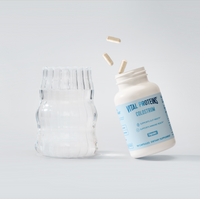
Collagen is the structural protein that gives skin its firmness and elasticity. Over time, natural collagen production slows, leading to fine lines and unevenness. Supplementing with Vital Proteins® Collagen Peptides can help support your body’s collagen levels for healthier, smoother-looking skin. -
Hydrate Inside and Out
Hydration is key for many things, but especially for soft, supple skin. Drink plenty of water, use a moisturizer that locks in hydration, and choose clean collagen products that are free from unwanted additives. -
Manage Oil and Keep Pores Clean
Excess oil can contribute to roughness or clogged pores. Use a gentle, balancing cleanser to avoid stripping your skin of its natural moisture. For more information on balancing oil and shine, check out our blog on Oily Skin: What Causes It and How to Prevent It. -
Help protect skin’s appearance from the effects of UV exposure by using daily SPF.
Daily SPF is essential. UV exposure can contribute to visible signs of skin aging, including changes in texture. Choose a broad-spectrum sunscreen with at least SPF 30 and apply it every morning or before going outside.
Key Ingredients That Help Support the Appearance of Skin Texture
When looking to improve your overall skin texture, keep an eye out for these key ingredients that could be useful to add to your routine.
- Vitamin C: Helps brighten and even out skin tone.
- Hyaluronic Acid: Provides hydration for a smoother‑looking complexion.
- Retinol: Helps smooth the appearance of skin by supporting gentle surface exfoliation.
- Niacinamide: Helps support a healthy‑looking skin barrier.
In addition to skincare, it’s good practice to keep your diet balanced with rich fruits, vegetables, and proteins to provide your skin with the essential nutrients it needs. These foods also provide other benefits like essential vitamins, antioxidants, and amino acids that support the skin’s renewal process. Incorporating collagen-rich foods and supplements can also further enhance results, nourishing your skin from the inside.
Does Collagen Improve Skin Texture?
Collagen is the most abundant protein in the body and a key structural component of the skin, helping it to stay firm, elastic, and resilient. Over time, natural collagen production declines, which is a normal part of the aging process that can lead to visible changes in skin texture.
Research suggests that incorporating collagen peptides into your diet can help support the body’s own collagen synthesis. These bioavailable peptides provide essential amino acids, like glycine and proline, that contribute to maintaining healthy skin.**
You can easily include Vital Proteins® into your daily routine by mixing them into foods and drinks you already enjoy. From smoothies to oatmeal to soups, or coffee using the Vital Proteins® Collagen Creamer. Pairing collagen peptides with a balanced diet rich in vitamin C-containing fruits and antioxidant-packed vegetables can further help your body utilize collagen effectively.
Consistent intake, combined with proper nutrition and hydration, can help support smoother, more supple-looking skin.**
Supporting Your Skin from Within
Improving your skin texture takes patience and consistency, but with the right care, you can help your skin feel smoother and look more radiant. Incorporating Vital Proteins® Collagen Peptides into your routine can be a simple way to give your skin the daily structural support it needs to thrive from the inside out.**
**These statements have not been evaluated by the Food & Drug Administration. This product is not intended to diagnose, treat, cure or prevent any disease.