




Key Takeaways:
- Tennis is a demanding sport that involves lots of motion from every joint, including knees, wrists, shoulders, and hips.
- A tennis recovery routine doesn’t just involve cooling down after a match; it also means making changes to your daily routine, diet, and technique.
- Drink plenty of water, incorporate cross-training, eat a protein-rich diet, and consider creatine to support muscle performance and collagen to support joint health.**
The US Open has a way of pulling you into every point, every ace, winner, and tiebreaker. It’s hard not to sit on the edge of your seat when you’re watching. Some rallies make you feel like you’re in the player’s shoes, chasing the ball, holding your breath, waiting to see what happens next. And when your player or team pulls it off, it’s exhilarating.
From the outside, those rallies can look effortless. But tennis is one of the most demanding sports, putting a lot of strain on your body, especially your joints. That’s why a tennis recovery routine shouldn’t be something you save for after a match; it should be part of how you support your body every day. Even the best players in the world prioritize recovery and rest before getting back on the court because it’s what helps keep them going.
Why Is Tennis So Demanding?
Tennis is one of those sneaky sports that’s more taxing than it may seem. There’s no physical contact, no tackling, and no nonstop sprinting up and down a field. But between the endurance, coordination, explosive movement, and mental focus it requires, tennis asks a lot of the body and mind.
What makes tennis so difficult?
- It takes incredible endurance. Tennis players can be on the court for hours, especially if a match goes to five sets. It’s not uncommon for pro matches to exceed four hours. Constantly changing positions, hitting the ball, and taking great strides wear you down.
- It involves exceptional hand-eye coordination. Finding the timing and cadence to hit a backhand, forehand, or volley, or to simply toss the ball right for your serve, all involves a coordinated chain of movement.
- It’s an explosive sport. Combined with long matches and rallies, tennis demands sudden bursts of speed and quick pivots to reach returns on every side of the court.
- It’s emotional. The physicality of tennis is one thing, but the psychological aspect of it is another. When you double-fault on a serve or hit a would-be winner that barely lands out, you must reset and pick yourself back up.
- It’s difficult on the joints. Tennis works your whole body, but especially your joints. Your hips, shoulders, knees, elbows, and wrists are all under repeated stress, depending on the level of tennis you’re playing.
The Anatomy of Tennis Moves (And How Your Joints Are Involved)
Tennis uses muscles throughout your body, and many of its key movements depend heavily on your joints.
1. The Forehand
The staple of tennis, the forehand starts from the ground up. You rotate your hips and torso before swinging across your body, while your shoulder, elbow, and wrist help drive the racket through contact.
2. The Backhand
The backhand calls for strong shoulder stability and works the rotator cuff. The standard backhand, played with two hands on the racket, loads your shoulders, elbows, and wrists. The gorgeous one-handed backhand, which is rare even in pro tennis, demands exceptional shoulder stability and strength, and it’s much harder to control than two hands.
3. The Serve
The serve is one of the most complex motions in sports. You toss, arch, and reach overhead to snap through the ball, loading your shoulder, elbow, and wrist as you rise through your knees. And of course, it works your core and legs for power. Add extra points if you’re going with a jump serve.
4. The Volley
When you volley, you get close to the net, use your knees to push off, rotate through your hips, and keep your shoulders steady and ready.
5. The Lob
When you lob the ball, hitting it high from deep in the court, you lift through your body and use your knees, hips, and ankles to help leverage your body weight.
The Tennis Moves and Their Joints
| Tennis move | Joints used most | Why it matters |
| Forehand | Hips, shoulders, elbows, wrists | Uses rotation and arm movement to drive the ball. |
| Backhand | Shoulders, elbows, wrists | Requires upper-body stability and control |
| Serve | Shoulders, elbows, wrists, knees, hips | Uses the whole body and generates power from legs and shoulders |
| Volley | Knees, hips, shoulders, wrists | Requires quick reactions and controlled movement near the net |
| Lob | Knees, hips, ankles, shoulders | Uses balance, lift, and lower-body support |
Is Tennis Bad for Your Knees and Joints?
With all these connected motions, quick stops, and explosive movements, you may wonder if tennis is bad for your knees and joints.
Good news: tennis isn’t inherently bad for your knees or joints. In fact, staying active is often better for joint health than doing nothing. It comes down to how you play, recover, and support your body both on and off the court.
Why Am I Sore From Tennis?
After a match or long tennis practice, you might find that your joints are sore — such as your shoulders, knees, or wrists.
Soreness can be normal, especially if you’re playing a lot, increasing your frequency, or just starting. Persistent soreness, however, can often be related to overuse or not enough recovery.
Here are some reasons your knees, shoulders, and wrists may be sore from tennis.
If Your Knees Are Sore…
Your knees absorb a lot of the lower-body load in tennis. All that sprinting, lunging, and stopping short to reach a ball can cause repeated impact on the knees, leaving them sore, especially after a long or intense session.
Building lower-body strength and learning to stop, pivot, and change direction with control can help take some of that load off. On the court, think light on your feet — not heavy-footed. Stay in your ready position.
If Your Shoulders Are Sore…
Your shoulders do a huge amount of work in tennis, especially on serves. But you can ask too much of them. For example, if you’re relying on pure shoulder strength for your serve instead of driving power up through your legs and core, your shoulders can take more of the strain, and you’ll feel it afterward. Engaging your core and whole body, not just your arms and shoulders, can help spread the effort and improve your power.
If Your Wrists Are Sore…
On forehands and volleys, some beginners flick or twist the wrist to steer the ball, when strokes should really be full and stable without the extra wrist snap. A grip that’s too small, too tight, or too high on the handle can also add strain. The best thing is to dial in your technique and check that your racket’s grip size is right for your hand.
Your Post-Tennis Recovery Routine
Brand new to tennis, or already a 4.5 player? Having a tennis recovery routine shouldn’t be optional; it’s a necessity, especially for a joint-heavy sport. Making recovery a priority can help you build your skills and support your joints. Here’s what to know.
Always Cool Down
When you’ve had a tough match or a long practice, take about 10 to 20 minutes to cool down.
Start with active recovery, like jogging around the court and picking up tennis balls. Then, follow up with static stretches, focusing on your shoulders, back, hips, calves, and wrists. Sit or stand and gently reach down toward your toes, stopping when you feel a comfortable stretch in your hamstrings. Place your hands on the floor in front of you and gently shift your weight to stretch your wrists and forearms.
Hydrate Before, During, and After
Drink water before, during, and after your practices and matches. If you’ve had a particularly intense session or you’re playing in the heat, be sure to hydrate even more. Learn how to calculate your daily water needs.
Stretch Outside of Cooldowns
Every athlete can benefit from flexibility. Try to stretch and focus on mobility in your free time, even if it’s only five minutes in the morning or evening. It’ll go a long way. Your shoulders, chest, and hips are especially important. You don’t want them to be tight. Maybe try child’s pose, cat-cow, doorway chest stretches, bridges, or straddle stretches.
Review Your Technique
If you’re feeling off, make sure your technique is right, as poor technique can lead to longer recovery times or even injury. Take videos of yourself serving or, if you’re able, work with a coach or experienced peer to address your main moves.
Never Push It
If you’re experiencing persistent pain that deviates from normal soreness, see your physician to help prevent anything from progressing. Always listen to your body when something feels off.
Cross-Train
On days off, you don’t have to stay glued to the couch. In fact, it’s better to cross-train and get out and move; in other words, try another activity that doesn’t repeat the same stresses as tennis. Aim for low-impact activities: Swim a few laps in the pool, go for an easy bike ride, or try a yoga class.
Strengthen Supporting Muscles
Your joints are supported by your muscles. If you’re always sore, some muscles might need to be stronger so others don’t have to compensate. Take one day of the week and replace a tennis session with a strength session.
Go to the gym and work on compound exercises that target major muscle groups, such as deadlifts, bench presses, squats, and assisted pull-ups. Have a gym buddy or go with your tennis partner to ensure you’re doing these moves safely and to motivate one another, especially when working with compound movements.
If you don’t have someone available, try out different machines at the gym. Push-ups at home are also great if you do not have a gym membership.
Eat a Nutrient-Rich Diet, Especially Protein
Your body can take longer to recover when it doesn’t have the nutrients it needs. Plan your meals around protein sources, with plenty of colorful vegetables like kale, peppers, spinach, and Brussels sprouts. Eat lean protein sources, like fish and chicken, and if you’re a vegetarian, tofu or seitan.
Add a Protein Supplement
While your diet should provide most of your nutrients, consider adding protein shakes to support recovery and help fill any gaps. Tennis is a demanding sport that can place stress on your muscles. Getting enough protein helps your body repair and rebuild after a match or practice.
Consider Collagen Supplements
Your joints and tendons are everything during tennis, and you might wonder if collagen helps support them. While you can get collagen from animal sources like bone broth, chicken skin, and gelatin, taking a collagen peptides supplement may help support joint health and overall mobility as part of a balanced recovery routine.** Add a collagen supplement to smoothies, yogurt, or coffee for an easy daily option.
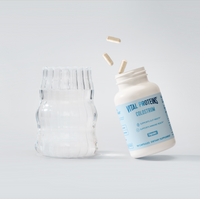
Bioactive Collagen Complex Bone & Joint Support is formulated with clinically-backed ingredients shown to promote bone and joint health.**
Add a Creatine Supplement
If you’ve heard about creatine supplements, you may have heard of taking them around your workout. Creatine may help support muscle performance and post-workout recovery when paired with consistent training and proper hydration. Consider a supplement that combines collagen and creatine, like Advanced Collagen Peptides + Creatine, to help support your routine after intense exercise.** Just be sure you’re drinking enough water and staying hydrated.
Your Tennis Recovery Routine: Putting It All Together
A good tennis recovery routine should start as soon as you step off the court and continue between matches. Use this checklist to support your joints, muscles, mobility, and overall performance.
- Cool down after every match or practice. Spend 10 to 20 minutes easing your body out of play with light movement, then stretch your shoulders, back, hips, calves, and wrists.
- Hydrate before, during, and after tennis. Replace fluids lost through sweat, especially after long rallies, hot-weather matches, or intense practice sessions.
- Stretch and work on mobility daily. Focus on the areas tennis uses most, including your shoulders, chest, hips, hamstrings, calves, and wrists.
- Review your technique. Poor form can place extra stress on your knees, shoulders, elbows, and wrists, so record your strokes and serves or work with a coach when something feels off.
- Listen to pain signals. General soreness can be normal, but ongoing or sharp pain is a sign to rest and check in with a healthcare professional.
- Cross-train on off days. Choose lower-impact activities, such as swimming, cycling, yoga, or walking, to keep moving without repeating the same court stresses.
- Strengthen supporting muscles. Add strength work for your legs, core, back, shoulders, and grip to support your joints during serves, pivots, volleys, and returns.
- Eat enough protein and nutrient-rich foods. Build meals around protein, colorful vegetables, and carbohydrates to help support muscle repair and energy recovery. Add protein shakes to help fill any gaps.
- Consider creatine and collagen supplements. Collagen peptides help support joint health, while creatine helps support muscle performance and recovery when paired with a balanced diet and consistent training.**
- Make recovery part of your routine, not just something post-workout. The best tennis recovery routine supports what you do on and off the court, from cooldowns and hydration to strength, mobility, nutrition, and rest.
Vital Proteins® Brings Recovery to the Court
It's electrifying to watch the US Open's biggest moments unfold, especially when two players team up and leave it all out there, point after point.
As the Official Collagen Partner of the US Open and Presenting Sponsor of the US Open Mixed Doubles Championship, Vital Proteins® is celebrating that same spirit of partnership: what you do on the court matters, and so does how you support your body off it.
From daily collagen peptides to targeted joint and muscle support, Vital Proteins® products can help make recovery feel like part of your routine, not a final step you squeeze in after the match.**
Whether you’re watching the pros during Mixed Doubles, playing a weekend set, or building your own tennis recovery routine, consider this guide your reminder to hydrate, refuel, rest, and support your joints and muscles before you get back on the court.
Tune in August 25 and 26 or see the players in action in Flushing, New York, when you purchase tickets for the US Open Mixed Doubles Championship.
**These statements have not been evaluated by the Food and Drug Administration. This product is not intended to diagnose, treat, cure, or prevent any disease.