




Creatine is one of the most widely used supplements in sports nutrition and fitness. Naturally found in the body and in certain foods, creatine plays a role in muscle energy during short bursts of high‑intensity activity, particularly when used in combination with resistance exercise.**
Because of its potential benefits for exercise performance and muscle strength, creatine is commonly used by athletes, gym enthusiasts, and individuals looking to support their fitness goals.**^ However, many people still have questions about what creatine actually does, and when the best time is to take it.
In this guide, we’ll cover what creatine is, how it works in the body, and when to take creatine to support your workouts and overall routine.**
KEY TAKEAWAYS:
- Creatine helps support muscle strength and exercise performance when used in combination with resistance exercise.**
- Creatine plays a role in the body’s natural cellular energy systems involved in short duration, high intensity activity.**
- It can be taken before or after workouts, and consistency matters more than exact timing.
- Creatine and collagen peptides can generally be taken together as they support different aspects of wellness.**
WHAT IS CREATINE?
Creatine is a naturally occurring compound made from three amino acids: arginine, glycine, and methionine. The body produces creatine in the liver, kidneys, and pancreas, and it is stored primarily in skeletal muscle.
According to the Mayo Clinic, creatine can also be found in certain foods, such as red meat and fish, to help increase the amount available to muscles. Some individuals choose to include creatine alongside other supplements like Collagen Peptides as part of their overall wellness routine.
In the body, creatine helps to produce adenosine triphosphate, or ATP, which is the main source of energy for muscle contractions. Encouraging ATP production helps fuel short bursts of energy for more intense physical activity.
"Creatine supplementation is used to increase the carrying capacity of fast-acting energy (ATP) in our muscles. This allows for longer bouts of high-intensity exercise lasting roughly 10 seconds," explains Sergio Pedemonte, a Certified Personal Trainer and the CEO of Your House Fitness.
WHAT DOES CREATINE DO?
Creatine helps support the body’s ability to produce energy during high-intensity exercise.** When stored in the muscles, creatine helps produce cellular energy for muscles during high-intensity exercise, supporting strength and recovery.**^
Some potential benefits of creatine include:
- Supporting muscle energy during high-intensity exercise**^
- Helping support strength and power output**^
- Supporting muscle growth when combined with resistance training or in the weight room**
- Supports exercise performance during repeated bursts of activity**
Because of these benefits, creatine has become one of the most widely researched and commonly used sports supplements.
WHEN SHOULD YOU TAKE CREATINE?
One of the most common questions about creatine is whether it should be taken before or after a workout.
Research suggests that both options can actually be quite effective, and that the most important factor is not about when you take creatine, but how consistently you take it.
Most people take creatine:
- Before workouts
- After workouts
- With meals
- As part of their daily supplement routine
Ultimately, the best time to take creatine depends on personal preference and the timing of your workout schedule. What matters is that you take it regularly, and as part of a consistent routine.
HOW TO TAKE CREATINE
Creatine is typically offered in powder form and mixed with water or another beverage. It can also be incorporated into smoothies or shakes along with your protein.
Some people follow a method called creatine loading, which Sam Watson, a functional training specialist and fitness nutrition specialist, explains as taking higher amounts of creatine for a short period to increase muscle stores more quickly. This approach usually involves taking about 20 grams of creatine per day for your first five to six days.
After the loading phase, a smaller maintenance amount is typically taken daily to maintain elevated creatine levels in the muscles; however, loading is not required. Many people take smaller amounts daily, which gradually increases muscle creatine stores over time. Consistency tends to matter more than the exact timing, and studies have not demonstrated any negative effects of taking creatine daily for prolonged periods of time.
CREATINE VS COLLAGEN: WHAT’S THE DIFFERENCE?
Creatine and collagen peptides serve different roles in a wellness routine. Creatine primarily supports muscle energy and athletic performance, while collagen peptides support connective tissues such as joints, tendons, ligaments, as well as skin, and hair.**
| Features | Creatine | Collagen Peptides |
| Primary Function | Supports cellular energy production** | Supports connective tissues** |
| Key Benefit | Supports exercise performance**^ | Hair, skin, nail, bone and joint support** |
| Found In | Meat, fish, supplements | Collagen supplements |
| Role in Fitness | Strength and power**^ | Joint and structural support** |
CREATINE AND COLLAGEN: CAN YOU TAKE THEM TOGETHER?
Creatine and collagen peptides can generally be taken together because they support different aspects of health and performance.
Creatine supports muscular energy and workout performance, while collagen peptides support connective tissue health.** Some individuals include both supplements in their exercise routines to help support both performance and recovery.**
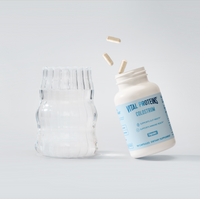
One way to incorporate creatine into your routine is by using Vital Proteins® creatine supplement, which can be incorporated to support both workout performance and recovery.**^ This section may later highlight Vital Proteins® Creatine as part of a performance-focused supplement stack.
For example, collagen supplements such as Vital Proteins® Collagen Peptides may be used as part of a broader fitness routine alongside creatine supplementation.
For example, collagen supplements such as Vital Proteins® Collagen Peptides may be used as part of a broader fitness routine alongside creatine supplementation.
Because both supplements serve different functions in the body, they are not mutually exclusive and may complement a well-rounded wellness routine.
**These statements have not been evaluated by the Food & Drug Administration. This product is not intended to diagnose, treat, cure or prevent any disease.
^In Combination with resistance exercise
SOURCES
- Mayo Clinic. Creatine. https://www.mayoclinic.org/drugs-supplements-creatine/art-20347591. Accessed 3/10/26.
- Kreider RB, et al. International Society of Sports Nutrition position stand: safety and efficacy of creatine supplementation in exercise, sport, and medicine. Journal of the International Society of Sports Nutrition. Accessed 3/10/26.
- National Institutes of Health Office of Dietary Supplements. Creatine Fact Sheet for Health Professionals. https://ods.od.nih.gov/factsheets/Creatine-HealthProfessional/. Accessed 3/10/26.