




GLP-1 medications can be a powerful tool for weight management and metabolic health, but the medication is only one part of the picture. Because these medications work by lowering appetite and slowing digestion, many people naturally eat less while taking them. That can be helpful for weight loss, but it also means that every bite must provide quality nutrition.
When your portions get smaller, it becomes important to fill up on foods are high in essential nutrients. Prioritizing protein, fiber, fluids, and key micronutrients in your meals supports energy, digestion, muscle maintenance, and long-term wellness. For many people on GLP-1 medications, protein is one of the most important nutrition priorities due to its role in helping preserve lean muscle.
Collagen peptides supplements are generally recognized for supporting healthy hair, skin, nails, bones, and joints. But collagen peptides and complete protein are not the same thing, and understanding the difference can help you build a more balanced routine that supports your goals and keeps you well-nourished.
How GLP-1 medications can affect nutrition
GLP-1 medications, including semaglutide and tirzepatide, support weight loss by helping regulate appetite, blood sugar, and digestion. They reduce hunger and slow how quickly food moves through the digestive system. Additionally, GLP-1s are used to help manage blood sugar in people with Type 2 diabetes.
Because appetite can drop significantly, some people may unintentionally eat too little or miss important nutrients. A 2025 review on nutrition priorities during GLP-1 therapy emphasizes that people using these medications may need guidance around how to meet their goals for macronutrients, micronutrients, and fluid.
This does not mean GLP-1 medications are “bad” for nutrition. It simply means that eating just needs to become more intentional.
Why protein matters on GLP-1 medications
Protein is important during any weight loss journey because it helps support lean body mass. When you lose weight, you may lose lean mass along with body fat. This can happen with calorie restriction, bariatric surgery, and medication-supported weight loss.
A 2025 research commentary on GLP-1 therapies notes that these medications can reduce body weight and improve metabolic health, but nutrition and physical activity strategies are critical for supporting long-term health.
The paper recommends that GLP-1 users focus on higher protein intake, evenly distributed protein across meals, aerobic activity, and resistance training. If you are eating smaller meals, it can help to eat protein first or include protein at every meal and snack.
Protein helps support muscle maintenance
Muscle matters for much more than appearance. Lean muscle supports strength, mobility, metabolism, balance, and healthy aging. This is why nutrition and strength training are often discussed together during weight loss.
A 2025 review on preserving lean soft tissue during GLP-1-induced weight loss recommended adequate protein intake and resistance exercise to support lean mass during the treatment phase.
This does not mean you need to become a bodybuilder or eat perfectly every day. It means that small, consistent habits can help: include protein at meals, add resistance training a few times per week, and avoid extreme calorie restrictions unless supervised by a healthcare provider.
Where collagen fits in
Collagen is a major structural component of skin, bones, tendons, ligaments, cartilage, and other connective tissues.
But there is an essential difference between collagen and protein which is important to understand. While collagen is a protein, it is not considered a complete protein because it does not provide all essential amino acids in sufficient amounts. That means collagen should not be your only protein source for the day.
Think of collagen peptides as a complementary protein. It can support specific wellness goals related to hair, skin, nails, bones, and joints, but you still need all the essential amino acids to support muscle maintenance and overall nutrition.
For someone on a GLP-1 medication, a balanced approach might include multiple protein sources over the course of the day plus collagen peptides as an easy add-in.
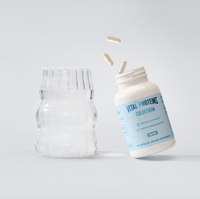
Collagen peptides may be appealing when your appetite is low because it is easy to incorporate into smaller meals or beverages. Vital Proteins® Collagen Peptides are easily digested and soluble in hot or cold liquids, making them simple to add to coffee, smoothies, oatmeal, or other foods.
Why hair, skin, nails, bones, and joints may need extra support
People taking GLP-1 medications often experience meaningful weight loss, but may also experience some other changes. Some people notice changes in hair, skin, strength, or overall energy. These changes are not always caused by the medication itself. They may be related to lower calorie intake, rapid weight loss, low protein intake, low nutrient intake, or other health concerns.
Collagen is not a fix for every issue, but it can be part of a supportive wellness routine, particularly for skin, hair, and nails.
Easy ways to add protein and collagen peptides into your day
When appetite is low, it can help to keep meals simple. Start with protein, then add fiber-rich carbohydrates, fruits, vegetables, and healthy fats as tolerated.
A few easy ideas for low appetite days might include:
- Choose Greek yogurt or cottage cheese with fruit.
- Make a small smoothie with milk, protein powder, collagen peptides, and berries.
- Keep ready-to-eat protein options available, such as hard-boiled eggs, tuna packets, rotisserie chicken, or tofu.
- Use smaller, more frequent meals if large meals feel uncomfortable.
- Pair protein with fiber to support fullness, digestion, and overall nutrition.
Vital Proteins® also offers a Collagen & Protein Shake, which provides 30 grams of total protein per serving, including 10 grams of collagen peptides. Sipping on a ready-to-drink shake can be a convenient way to get the nutrients you need without feeling overly full.
The bottom line
GLP-1 medications can help with appetite regulation, but eating less should not mean getting less nutrition because your body still has needs. Protein is essential for supporting lean muscle, strength, and overall wellness during weight loss. Collagen peptides can be a helpful addition for supporting healthy hair, skin, nails, bones, and joints, but it should complement, not replace, additional protein sources.
A healthy GLP-1 nutrition routine does not need to be complicated. Prioritize protein, , stay hydrated, eat nutrient dense foods, add resistance training when possible, and include collagen peptides if it fits your goals. Together, these habits can help support your body while you work toward your long-term health goals.
References:
- Fitch A, Gigliotti L, Bays HE. Application of nutrition interventions with GLP-1 based therapies: A narrative review of the challenges and solutions. Obes Pillars. 2025;16(100205):100205.
- Noronha JC, Van Gaal LF, Neeland IJ, et al. Optimizing GLP-1 therapies for obesity and diabetes management. Obes Pillars. 2025;16(100222):100222.
- Tinsley GM, Nadolsky S. Preservation of lean soft tissue during weight loss induced by GLP-1 and GLP-1/GIP receptor agonists: A case series. SAGE Open Med Case Rep. 2025;13(2050313X251388724):2050313X251388724.